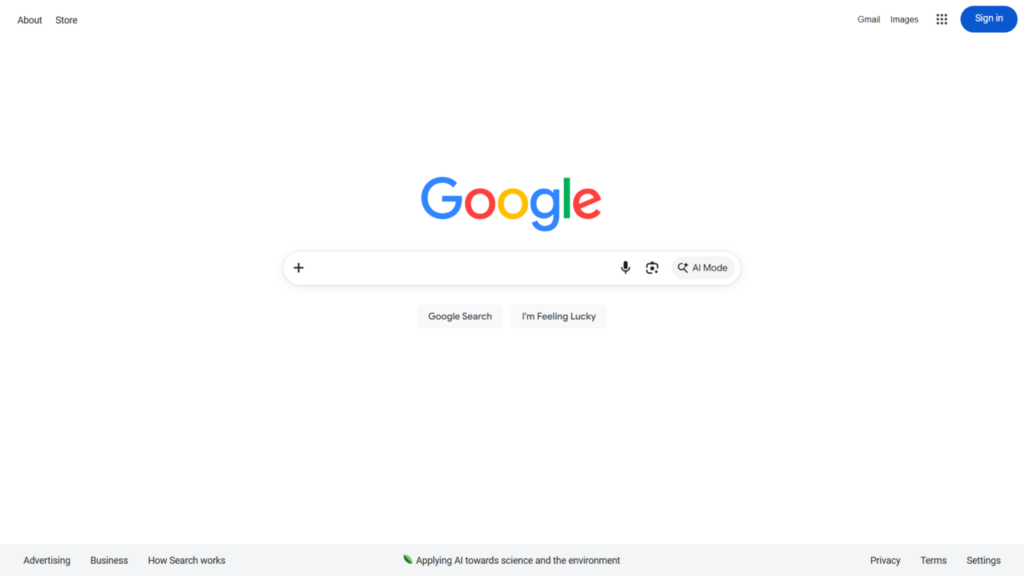
AI Mode supports longer questions, follow-ups and AI-generated responses with web links. That can change how a person explores a topic, but it does not mean publishers should replace useful websites with pages written for an imagined machine-only audience.
Quick Answer
Expect more multi-step search journeys and make content strong at both the direct-answer and deeper-explanation levels. Keep pages fast, crawlable and well connected, then measure actual Search Console performance instead of guessing how every AI interaction behaves.
Follow-Up Questions Raise the Value of Topic Depth
A user can continue a search conversationally instead of starting a new query from scratch. Sites benefit from having coherent coverage of adjacent questions rather than isolated posts that repeat the same keyword from different angles.
Clicks May Come From Deeper in the Journey
Some users may receive enough context before visiting a page, which can change the intent of the click that eventually arrives. A useful destination should therefore provide depth, evidence, tools or detail beyond the shortest possible answer.
Measurement Still Matters More Than Predictions
Use Search Console reporting and your own analytics to observe which pages and queries change. Avoid declaring that AI Mode always increases or decreases clicks across all topics.

Adaptation Checklist
- Strengthen topic clusters rather than duplicate articles.
- Make introductions answer the core question quickly.
- Provide depth after the quick answer.
- Use descriptive internal links to adjacent tasks.
- Track performance by page and query.
- Separate observed data from assumptions about AI behavior.
Query Fan-Out Changes the Shape of a Search Journey
Google’s 2026 guidance describes query fan-out as one technique used in generative AI search: the system can issue several related searches to gather information that helps answer a broader question. For publishers, that is a reason to build coherent topic coverage—not a reason to create a separate page for every imaginable wording of a subquery.
For example, a user asking how to fix a slow WordPress site may trigger related information needs around image size, caching, Core Web Vitals, JavaScript, hosting, and plugin load. A useful site can cover those as genuinely distinct resources connected through sensible internal links.
The Click Needs to Be Worth Taking
If a generated answer already gives someone basic orientation, the destination page should reward the click with something deeper: diagnostic steps, screenshots, original data, a calculator, a comparison, a template, or a more complete explanation of edge cases.
That does not mean every page needs a tool or experiment. It means the page should have a reason to exist beyond repeating a generic answer that the search interface can summarize easily.
What Not to Overclaim
Do not claim a universal click-through effect from AI Mode without data for the site and query set being discussed. Search behavior varies by topic, result type, location and user.
Watch the Topic in Context
Meet AI Mode
Google’s own AI Mode video shows the follow-up and linked-search experience this article discusses.